
Healthy Environments
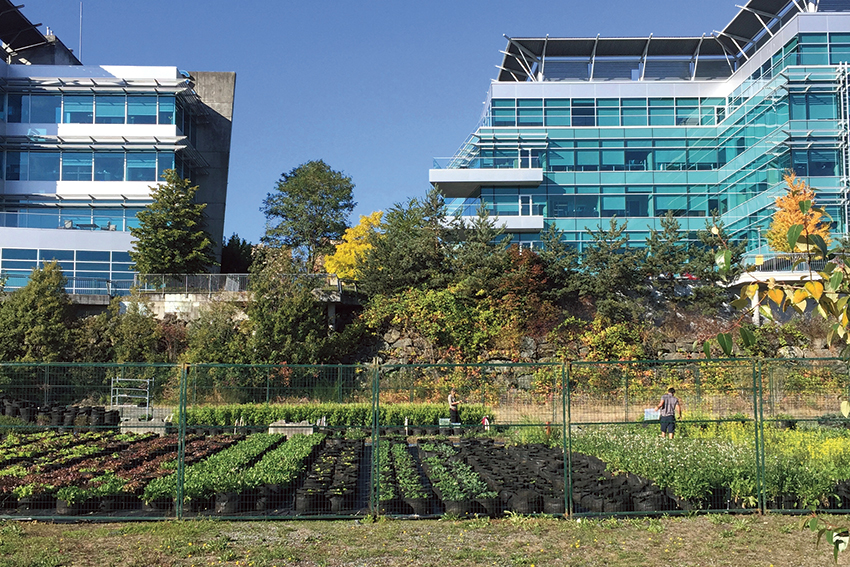 There is a “vibe” that accompanies any environment. The feeling one gets when stepping out of a New York City subway tunnel is different than walking up to a cottage in the woods. That “vibe” also impacts our wellbeing. Healthy environments have become the center of attention for efforts to improve overall health. The Global Wellness Institute has done much work in this area already. Others have also taken note, putting considerable effort for healthy environments like this article from Australia.
There is a growing body of evidence that indicates the built environment – that is, our streets, neighbourhoods, towns and cities – has a considerable influence on our health and wellbeing. When designed to facilitate physical and social activity, improve access to healthy food, and foster integration and a sense of belonging, the environments in which we live, work and play give rise to happier and healthier people.
This has been verified by the Lancet (September 2016) in its series ‘Urban Design, transport and health’ that identified that living in an active-friendly neighbourhood could mean people take up to 90 minutes more exercise per week. With physical inactivity responsible for over five-million deaths per year, creating healthier cities is an important part of the public health response to the global disease burden of physical inactivity. Around 60 per cent of Australian adults do not meet physical activity guidelines, putting them at increased risk of heart disease and other chronic diseases.
Chronic disease is not just a health issue but has detrimental impacts on the economic sustainability of our nation. The World Health Organisation identified that economic analysis suggests that each 10 per cent rise in chronic diseases is associated with 0.5 per cent lower rates of annual economic growth. It has been estimated that physical inactivity costs the Australian healthcare system $1.5 billion annually, with the cost of obesity estimated at $8.3 billion.
Source: Our Health & Wellbeing starts with our environments – The Adelaide Review
Our Model
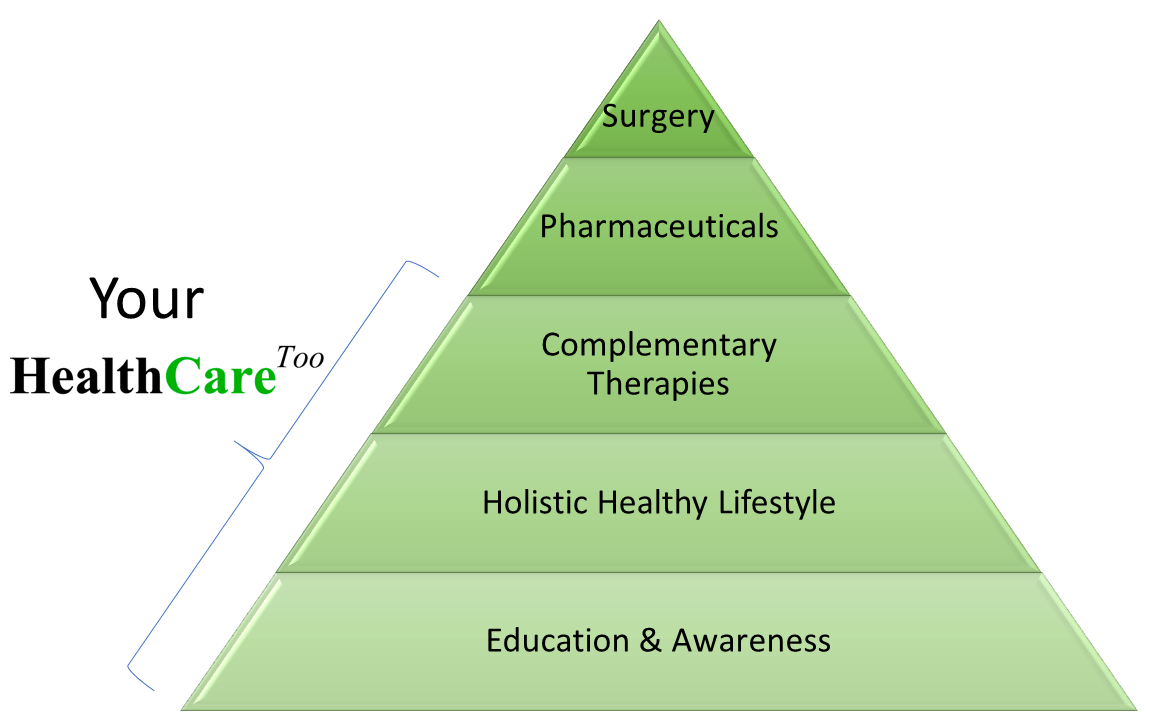 The HealthCare Too model provides for a collaborative holistic care approach to health. We look for articles and knowledge to help consumers and their care teams make holistic health decisions and also shop for the best deals in holistic health so you can find them here! We appreciate the value of surgery and pharmaceuticals but want to make more paths available for your HealthCare Too. See our model for Holistic Health for more information!